

Less equipment
Disposable
I question every single disposable product and I prioritize reusable materials wherever patient safety allows.

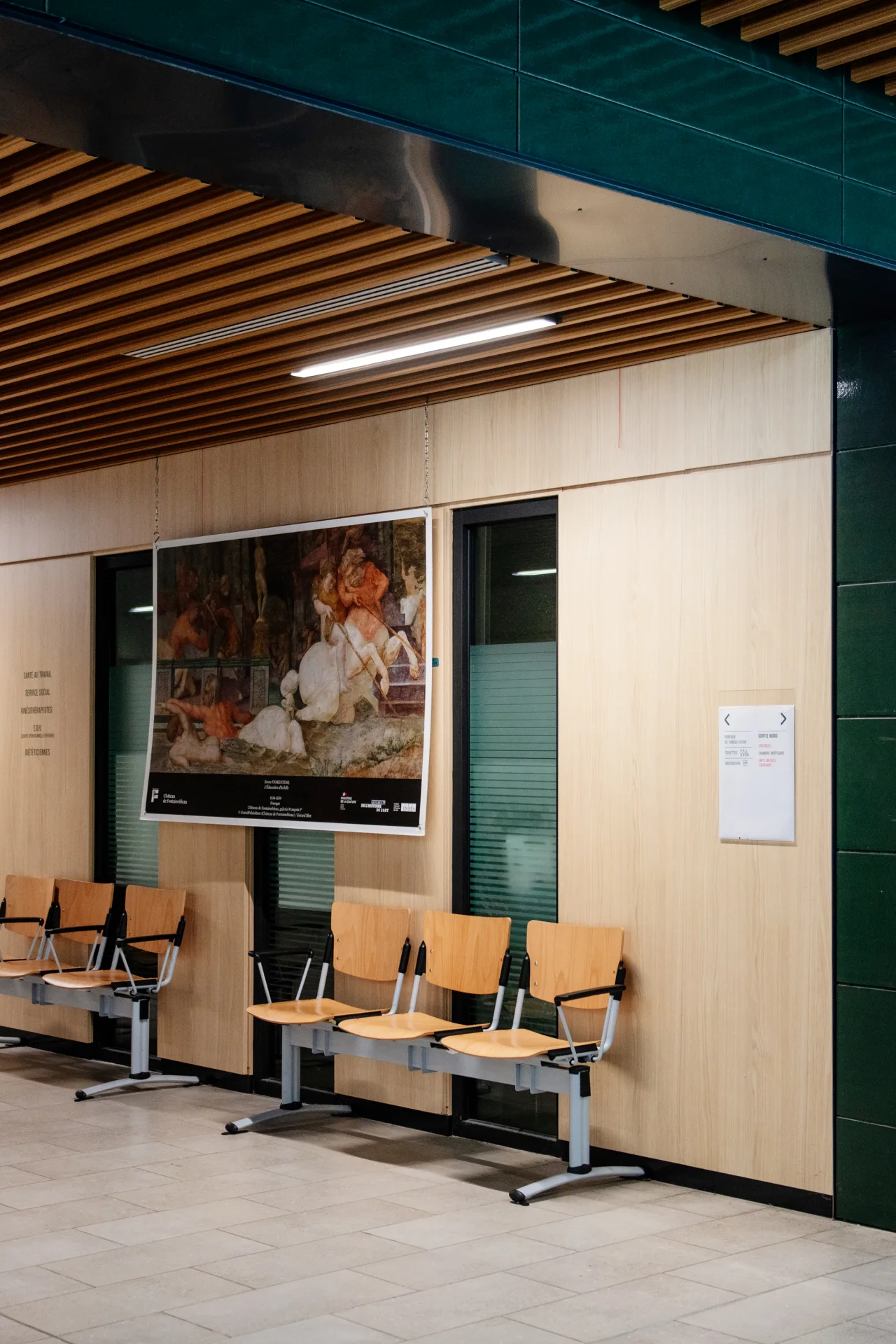
Reduce the environmental footprint of eye care, without ever compromising on its quality. Ophthalmic surgery can evolve from the office to the operating room, to weigh less heavily on the planet.
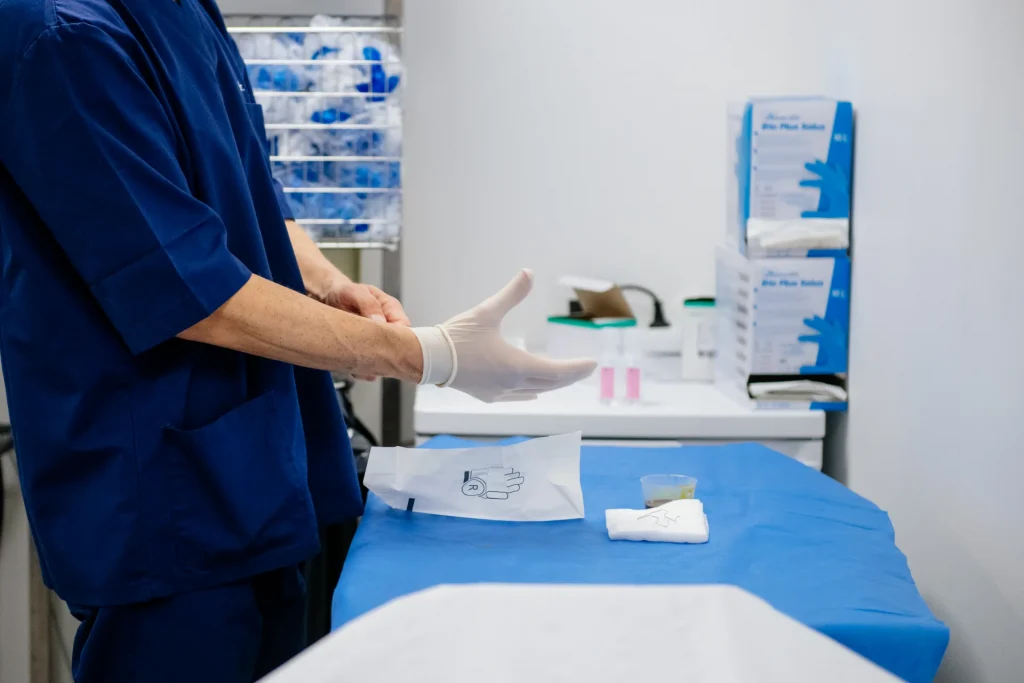
I believe that the ophthalmology of tomorrow will be sustainable. Operating better also means producing less waste and consuming fewer resources, without ever compromising the quality or safety of care.
This is an engagement that I carry out every day, and that I wish to share with my colleagues and with the institutions.
Cataract surgery is one of the most common procedures performed in France. Performed nearly 900,000 times each year, it produces a large amount of waste, mainly in the operating room.
This is where the main part of reducing our impact takes place.
Here is how I act on a daily basis to lighten the footprint of my practice.
I question every single disposable product and I prioritize reusable materials wherever patient safety allows.
Waste is sorted right from the operating room and directed to the appropriate channels, in order to reduce the amount that goes to incineration.
I optimize energy, circuits, and equipment throughout the patient's care process.
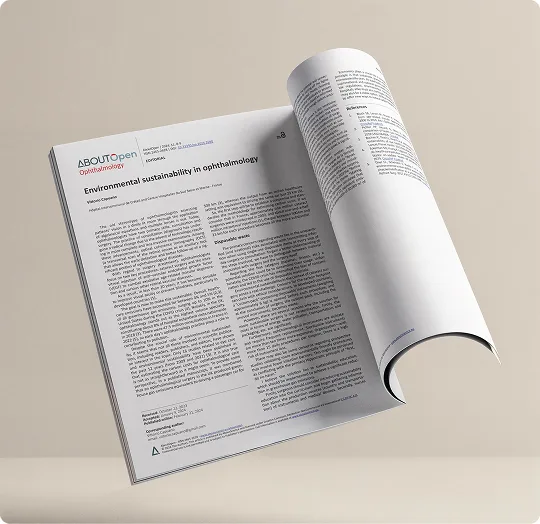
This commitment is also reflected in scientific literature.
An editorial that questions the carbon footprint of ophthalmology and the waste associated with cataract surgery. The article opens up concrete paths for more economical practices, from training teams to reducing single-use equipment.
Are you organizing a health event or leading a sustainable approach in ophthalmology?
Let's get in touch.

